One of the most time-consuming tasks for a business is managing compliance. From safety and workers’ compensation to labor laws and regulations, there’s a lot to stay updated on. Part of the value of partnering with a professional employer organization (PEO) is their compliance management and risk mitigation knowledge.
A PEO employs experts in both safety and human resources who stay up to date on regulatory and risk compliance for businesses as well as work with you on a plan and strategy to mitigate any potential perils with both workplace safety and employee relations. Here’s everything you need to know about how PEO risk management will help your business stay compliant.
What is Risk Mitigation?
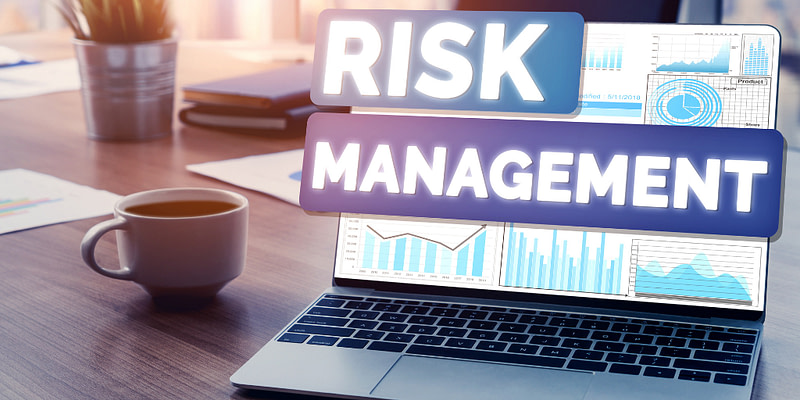
Risk mitigation—also referred to as risk management—involves identifying potential hazards your business may face and developing a plan to prevent them. This includes employees tripping over an exposed cord in the office to more complex risks specific to a certain type of job or job site. While not physical, data and financial risk also fall under this category.
Risk management prepares your business and employees for possible disruptions and challenges. By identifying risks and establishing a plan for addressing them, you are equipping your team to make better decisions. There are also leadership implications with risk mitigation. Without proper plans in place, your employees may not have a clear idea of who to go to or what to do when incidents occur.
Why Partner with a PEO for Compliance and Risk Management?
PEOs provide your business with the resources and guidance to develop risk management strategies and compliance solutions. A PEO provides administrative services to small and mid-sized businesses through a co-employer relationship.
Co-employment means the PEO assumes the responsibility of being the employer of record, while you maintain the responsibility—and ownership—of your day-to-day core operations. PEOs generally provide payroll, human resources, safety and workers’ compensation, employee benefits (health, dental, supplemental, etc.), and regulatory compliance.
Through PEO risk management, you’re able to proactively mitigate risk and ensure compliance with local, state, and federal workplace safety laws and regulations. Your PEO partner can work with you to develop safety plans and procedures to avoid injuries and protect your business from possible fines. PEOs also offer workers’ compensation insurance, often at a lower cost than traditional insurance carriers.
What Types of Risks Can PEOs Manage?
In addition to physical workplace injuries, there are several other risks that PEOs can help your business mitigate.
Workers’ Compensation
By offering workers’ compensation insurance, PEOs can ensure your employees and your business are covered in the event of a workplace injury. These can be costly. But with the right coverage in place, you can soften much of the financial loss. With a PEO, the injury claims are handled by your workers’ compensation team, saving you the time and stress of dealing with it on your own.
Workplace Safety
Slips, trips, and falls are among the highest reported injuries according to OSHA (the federal Occupational Safety and Health Administration). The most violated OSHA standards include lack of training, improper use of tools, lack of personal protective equipment (PPE), inadequate risk management, and poor hazard communication. With a PEO partner, you can avoid these common workplace safety risks.
PEOs are well-versed in the latest OSHA standards and work with businesses to identify the most probable dangers and develop plans to diminish them. They’ll also provide the necessary employee training to make sure your team understands their role in the risk management process.
Regulatory Compliance
In addition to regulatory compliance in workplace safety, a PEO also facilitates local, state, and federal labor law compliance. Each state typically has its own set of regulations when it comes to employment laws, and these are regularly changed and updated. In addition, the federal government specifies many labor practices. With so many regulations, it’s almost impossible to keep up, especially when you are growing and operating a business.
As the co-employer, PEOs are often the party responsible for implementing any employment practice requirements, including tax reporting, for both federal and state. This means your PEO is up to date on changing regulations and works proactively with your business to ensure compliance.
This is especially helpful if you operate or employ people in multiple states. Your PEO will help you navigate the different state and local labor laws to aid compliance no matter where you operate.
Employee Relations
PEOs are also helpful when it comes to managing employee relations. Human resources (HR) comes with its own set of regulations. The Department of Labor (DOL), Equal Employment Opportunity Commission (EEOC), and Fair Labor Standards Act (FLSA) all have legal requirements and employment practices employers are obligated to comply with, most of which fall under the HR category.
Many states require sick pay and paid leave under the Family Medical Leave Act (FMLA) and employers need to make sure they are providing and documenting it properly in their payroll. Partnering with a PEO eliminates the need for your HR and payroll teams to stay updated on all these changing requirements.
Partnering with a PEO gives you access to a team of HR professionals who work as an extension of your HR department. Your PEO can provide guidance on how to navigate employment practices regarding performance management, hiring and separations, documentation, and potential employment claims.
Why Partner with a PEO on Compliance?
There are many benefits of working with a PEO rather than handling compliance on your own. These include:
Cost savings
Partnering with a PEO saves you costs associated with non-compliance, including fines, penalties, and potential legal fees. While you will pay your PEO a service fee, their risk prevention plans and strategies will help you save thousands in potential out-of-pocket costs associated with covering a workplace injury or employment law violation.
Better workers’ compensation rates
PEOs generally have more cost-effective rates for workers’ compensation. Insurers view PEOs as larger companies, giving them better buying power. This results in lower premiums that your PEO can pass along.
Fewer administrative tasks
PEOs also manage payroll, benefits, and HR, taking most of the burden of administrative tasks off your plate. This frees up time for you to focus on growing your business and managing its core operations.
Access to expertise
PEOs bring invaluable expertise to your business. Not only do you gain an expert in payroll, benefits administration, and taxes, but you also work with seasoned HR and safety professionals who understand your business, industry, and the ever-changing world of compliance.
Let’s Get, and Stay, in Compliance Together
As the nation’s largest privately-held PEO, VensureHR is expert in HR, risk mitigation and regulatory compliance, payroll, and much more. Let our team of HR and Loss Control professionals help your business with effective risk strategies and labor law compliance. Let’s schedule a call to get started.
Learn more about PEOs
Schedule a call to learn more about how using a PEO can help grow your business.
Contact VensureHR