
Training meetings are a critical driver of business performance, whether you’re leading a small startup team or managing a large, multi-location organization.
In 2026, training meetings are no longer just about delivering information. They’re about engagement, efficiency, and outcomes. Employees expect meetings to be well‑run, relevant, and respectful of their time, while leaders are under pressure to ensure training translates into real-world execution.
As a business owner or leader, your goal is simple: participants should leave the meeting motivated, informed, and confident in how to apply what they’ve learned. The challenge is getting there without overwhelming people or losing their attention.
Here are eight practical tips to help you conduct more effective, modern training meetings (enhanced by today’s AI-powered tools where appropriate).
1. Prepare Thoroughly and Use AI to Support Readiness
Preparation remains the foundation of any successful training meeting. You should know the material inside and out—not just what’s on the slides or in the manual, but how it connects to your business goals and daily operations. The more prepared you are, the easier it is to explain concepts clearly and answer questions confidently.
In 2026, AI tools can significantly improve preparation. Many leaders now use AI to:
- Summarize complex materials into digestible talking points
- Identify common questions or challenges tied to a topic
- Build structured agendas or presentation outlines
AI won’t replace your expertise, but it can help you refine your message so that your time with employees is as effective as possible.
2. Keep Agenda Segments Short and Focused
Training meetings can easily become overwhelming, especially when topics are technical or process-heavy. Avoid cramming too much content into one session. Instead, break training into smaller, focused agenda segments that allow participants to absorb information without mental fatigue.
Shorter sections also create natural pause points for discussion, questions, or quick recap moments. If you’re covering a complex subject, consider spreading it across multiple sessions rather than forcing everything into one meeting.
AI-powered meeting tools can help here as well by tracking timing and alerting facilitators when discussions are running long, helping you stay on schedule without cutting valuable conversation short.
3. Create a Participative Environment
Training is most effective when it’s interactive. Employees learn better when they’re involved—sharing experiences, asking questions, or offering alternative viewpoints. A participative environment keeps energy levels high and ensures the training feels relevant to attendees’ real-world responsibilities.
Encourage open dialogue by:
- Asking scenario-based questions
- Inviting feedback or examples from participants
- Using polls or short exercises to reinforce learning
Many modern meeting platforms now include AI-driven engagement tools such as live polling, sentiment analysis, or participation tracking, giving facilitators insight into how well the audience is following along.
4. Avoid Turning the Training into a Lecture
One of the fastest ways to lose attention is by turning a training meeting into a one-way presentation. Even if the content is important, long speeches without interaction reduce retention and motivation.
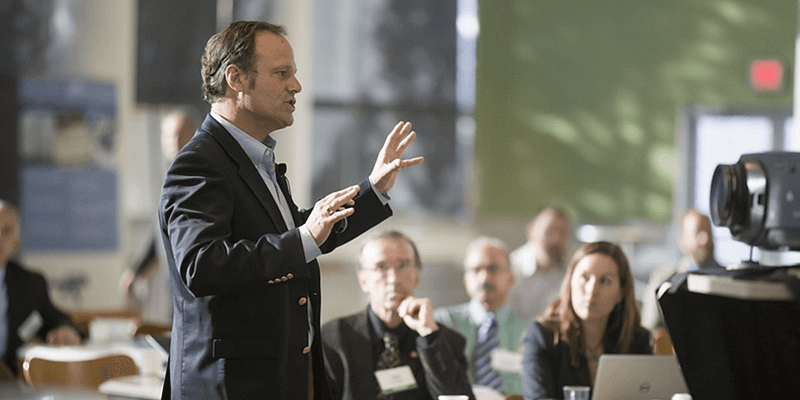
Your role as facilitator is to guide discussion, not deliver a monologue. Encourage back-and-forth conversation and allow space for clarification throughout the meeting. This approach keeps participants mentally engaged and reinforces learning through dialogue rather than passive listening.
If slides or manuals are used, treat them as support materials—not the centerpiece of the meeting.
5. Don’t Read the Script: Add Context and Value
Employees can read policies, manuals, or documents on their own. What they can’t get from those materials is context—how the information applies to their role, how it supports the business, and why it matters.
Use the training meeting to:
- Expand on key points
- Share real business examples
- Explain how expectations connect to daily decision-making
AI tools can assist by capturing your explanations and generating meeting notes or action summaries afterward, ensuring nothing valuable is lost while allowing you to focus on meaningful conversation instead of note-taking.
6. Summarize Often and Clarify Along the Way
Instead of waiting until the end of the meeting, summarize each agenda segment as you go. Quick recaps reinforce learning and give participants an opportunity to ask questions or confirm understanding while the topic is fresh.
This approach improves clarity and reduces confusion later. It also ensures that misunderstandings are addressed early, not discovered after the training is over.
Many organizations now use AI-generated meeting summaries or real-time transcription tools to support this process, providing accurate documentation without slowing the meeting down.
7. Keep Energy High with Stories, Humor, and Visuals
Some training topics can feel dry, but delivery makes a major difference. Injecting appropriate humor, storytelling, or personal experiences helps humanize the content and keeps participants engaged.
Visual aids—charts, diagrams, short videos, or live demonstrations—also increase retention by reinforcing key points in multiple ways. Modern AI design tools can quickly help create clean, professional visuals or simplify complex ideas into easy-to-understand graphics.
A lively, well-paced training meeting keeps attention high and makes learning more enjoyable.
8. Respect Your Attendees as Adults and Professionals
Finally, remember that your attendees are professionals who want to learn and contribute. Training meetings should never feel like classroom lectures or disciplinary events. Respect participants’ time, experience, and input.
Create an environment where:
- Questions are welcomed
- Experience is valued
- Feedback flows both ways
When employees feel respected, they’re more likely to engage, retain what they’ve learned, and apply it effectively in their roles.
Freeing Up Your Team to Focus on Training
While facilitating a training meeting can be challenging, the payoff is significant. Well-run training meetings build skills, improve performance, and strengthen alignment across the organization.
When business leaders aren’t weighed down by the chaos of managing complex HR, payroll, compliance, and administrative tasks, they gain the freedom to focus on what truly moves the organization forward: strategic priorities like developing their people and leading better, more impactful meetings.
That’s where VensureHR comes in.
As a trusted PEO partner, VensureHR helps simplify the business backend so leaders can get back to doing what they love: growing their company, strengthening their teams, and investing in purposeful training that improves performance. Connect with us to drive lasting business success.